Introduction
The integration of Artificial Intelligence (AI) in education is no longer a futuristic concept—it's happening now. AI-powered teaching assistants, personalized learning platforms, and intelligent tutoring systems are transforming how students learn. AI teachers can provide personalized guidance, adapt to individual learning styles, and offer 24/7 support, making education more accessible and effective.
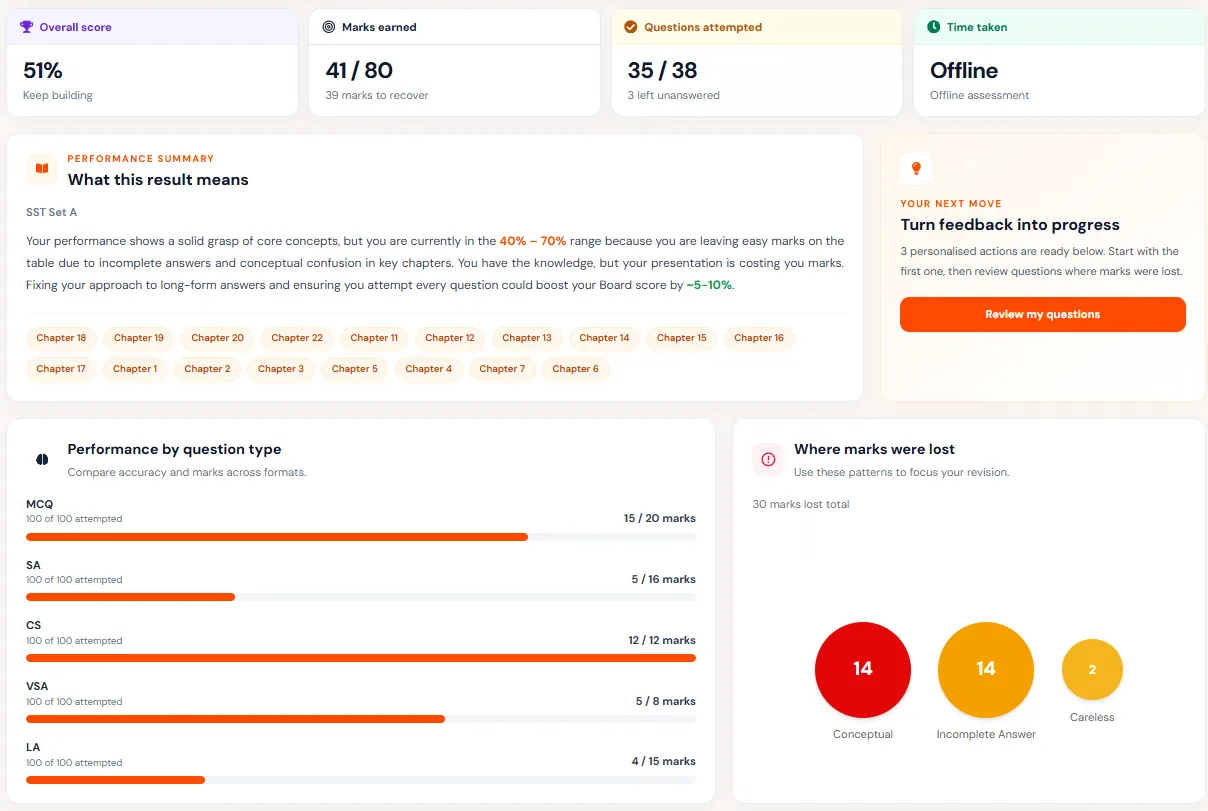
At Chanakya AI, we are at the forefront of this revolution, developing cutting-edge AI solutions to enhance student learning. We invite students to try out our platform and experience the future of education firsthand!
In this blog, we'll explore how AI teachers can benefit students by enhancing learning experiences, improving engagement, and addressing diverse educational needs.
1. Personalized Learning at Scale
Every student learns differently. Traditional classrooms often follow a 'one-size-fits-all' approach, leaving some students struggling to keep up while others feel unchallenged.
How AI Teachers Help:
Adaptive Learning: AI analyzes student performance and tailors lessons to their strengths and weaknesses.
Customized Pacing: Students can learn at their own speed, revisiting difficult concepts or skipping ahead as needed.
Individualized Feedback: AI provides instant corrections and suggestions, helping students improve in real time.
This personalization ensures no student is left behind or held back.
2. 24/7 Availability & Instant Support
Unlike human teachers, AI tutors are available anytime, anywhere. Whether a student needs help at 2 AM or wants to review a lesson before an exam, AI teachers are always ready.
Key Benefits:
On-Demand Assistance: Students can ask questions and get immediate answers.
No Time Constraints: Learning isn't limited to school hours.
Reduced Teacher Workload: AI handles repetitive tasks, allowing educators to focus on mentorship.
This accessibility is especially helpful for students in remote areas or those with busy schedules.
3. Engaging & Interactive Learning
AI can make learning more dynamic through gamification, interactive quizzes, and immersive simulations.
Examples of Engagement Boosters:
AI-Powered Games: Turn math problems or language exercises into fun challenges.
Virtual Labs: AI-driven simulations let students conduct experiments safely and interactively.
Chatbot Tutors: Conversational AI makes learning feel like a dialogue rather than a lecture.
By making education interactive, AI keeps students motivated and curious.
4. Early Identification of Learning Gaps
AI can detect patterns in student performance that even teachers might miss.
How AI Helps Identify Struggles:
Real-Time Analytics: AI tracks progress and highlights areas where a student is falling behind.
Predictive Insights: It can forecast potential challenges and suggest interventions before exams.
Automated Reports: Teachers and parents get detailed insights into a student's strengths and weaknesses.
Early detection means timely support, preventing long-term academic struggles.
5. Inclusivity for All Learners
AI can bridge gaps for students with disabilities, learning differences, or language barriers.
Inclusive AI Solutions:
Speech-to-Text & Text-to-Speech: Helps visually impaired or dyslexic students.
Multilingual Support: AI tutors can explain concepts in a student's native language.
Personalized Adaptations: Adjusts content for students with ADHD, autism, or other special needs.
This makes education more equitable for everyone.
6. Cost-Effective & Scalable Education
AI teachers reduce the need for expensive tutoring or additional educational resources.
Why It's Affordable:
Fewer Private Tutors Needed: AI provides high-quality assistance at a fraction of the cost.
Scalable for Large Classes: One AI system can support thousands of students simultaneously.
Reduces Educational Inequality: Low-income students gain access to premium learning tools.
Potential Challenges & Considerations
While AI teachers offer incredible benefits, there are challenges to address:
Over-Reliance on AI: Human teachers remain essential for emotional support and critical thinking.
Data Privacy: Student data must be securely handled.
Bias in AI Algorithms: Ensuring fairness and inclusivity in AI systems is crucial.
Conclusion: The Future of AI in Education
AI teachers are not here to replace human educators but to enhance and supplement the learning experience. By providing personalized, engaging, and accessible education, AI can help every student reach their full potential.
At Chanakya AI, we are committed to making this vision a reality. We invite students to try out our platform and see transform your learning journey!
Start learning today by visiting our website at https://aichanakya.in/
What do you think? Would you welcome an AI teacher in your classroom? Share your thoughts and experiences with AI in education!